How Law Firms Can Reclaim Billable Hours With A.I.-Powered Legal Translation [WITH FREE CHECKLIST]
“Attorneys Are Busy Billing Hours… But Not As Many As Expected” - Kathryn Rubino, Biglaw
Where does the time go? Often, it’s consumed by administrative work, including a surprisingly costly function: legal translation. This quick read will help get you up to date on how automating the process using A.I. tools can save your firm time, and money.
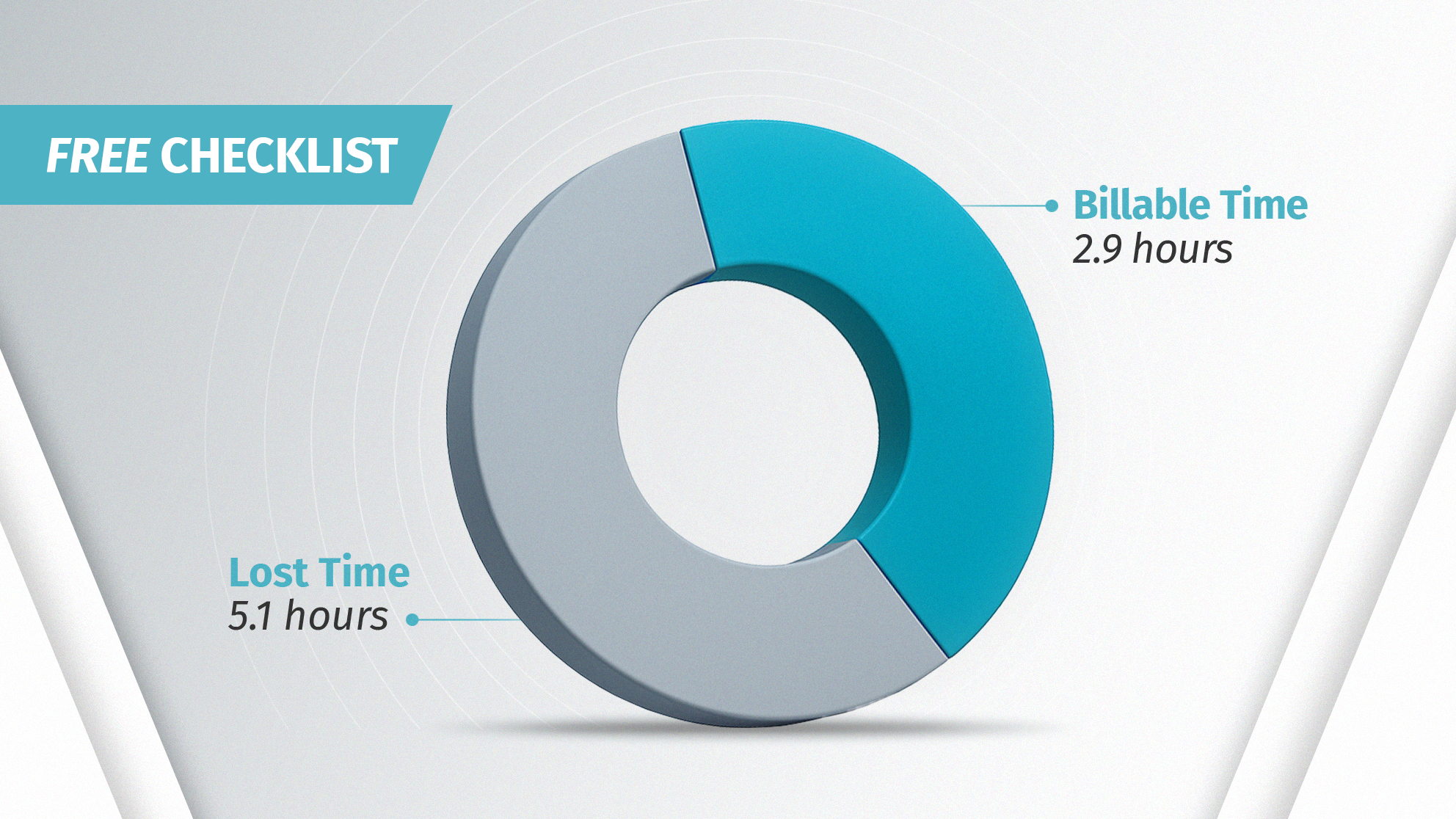
According to the National Law Review (per Statista) the industry standard utilization rate, (the percentage of time spent on billable work) has hovered around 27% to 37% for law firms. Translation, especially in firms dealing with cross-border transactions, litigation, or multilingual regulatory filings, often contributes to this gap.
From the partner’s final sign-off on a contract, to the junior associate chasing down a French version of a document to meet Québec’s Bill 96 obligations, the ripple effect of inefficient translation eats into productive hours across the team.
Even in firms with bilingual lawyers, potentially billable time is wasted reviewing or redoing external translations that fail to meet legal standards.
This time could otherwise be billed to clients or allocated to higher-value advisory work.
Translation needs are everywhere in modern legal practices, anything from IPO prospectuses, M&A contracts, and employment agreements, to e-discovery files and litigation briefs. In today’s globalised world, translating documents to other languages is simply unavoidable. While this should be simple, the reality is often a fragmented, drawn out process.
The traditional process typically involves:
These steps are largely non-billable, and they scale poorly. As firms grow or take on cross-border matters, this bottleneck becomes even more pronounced.
You’ve already seen the horror stories of misfiled or mistranslated financial disclosures leading to regulatory fines in the millions, especially in EU and Canadian jurisdictions with bilingual or multilingual filing requirements.
Risk aside, translation rework also slows deal execution, causes tension in client relationships, and hampers predictability in timelines.
The legal sector is understandably cautious about artificial intelligence.
However, when paired with legal-specific training, privacy compliance, and human-in-the-loop review, A.I.-powered legal translation becomes an enabler rather than a risk.
What makes this different from general translation tools?
If the average firm bills for only 2.9 hours per day, then even saving an hour a day would result in nearly 2 days' worth of billable hours a week at their current working rate!
That’s time they can reinvest in legal work rather than chasing up documents for translation.
Ultimately? Reducing risk, improving transparency, and creating a better client experience.
Translation automation does not replace human legal oversight. It makes the entire process faster, more controlled, and more predictable.
Legal translation is a core part of operations in any practice dealing with multiple jurisdictions or languages. Yet too often, it is treated as a scramble at the end of the process.
Secure, A.I.-enhanced translation workflows allow law firms to reclaim lost billable hours, reduce compliance risk, and elevate service delivery. Whether managing a capital markets filing or preparing for cross-border litigation, efficient translation can determine whether your firm meets or misses the deadline.
Firms that modernize their approach will gain a competitive edge. Yours can be one of them.
Maximize efficiency with our quick quiz
Yes, but their time is billable. A.I.-supported translation lets your bilingual lawyers focus on high-value tasks, while still ensuring linguistic accuracy through review.
It depends on the platform. Generic A.I. tools can miss legal nuance. However, A.I. that is trained on legal documents and paired with human review significantly reduces errors while improving turnaround time.
Choose tools that offer end-to-end encryption, local data residency, and no data retention. Never upload legal documents to consumer-grade generic translation tools.
Yes, with proper review. Legal-specific A.I. combined with custom glossaries and post-editing ensures that translations meet legal and linguistic standards.
Initial translations can be completed in minutes. With fewer handoffs and automated formatting, firms see translation turnaround shrink drastically.
Don't lose any more billable hours.